How Many Nicotine Pouches Per Day Is Typical? A Practical Guide
Your daily number depends on strength, timing, and tolerance. Here are realistic ranges, signs you're overdoing it, and practical ways to stay in control.
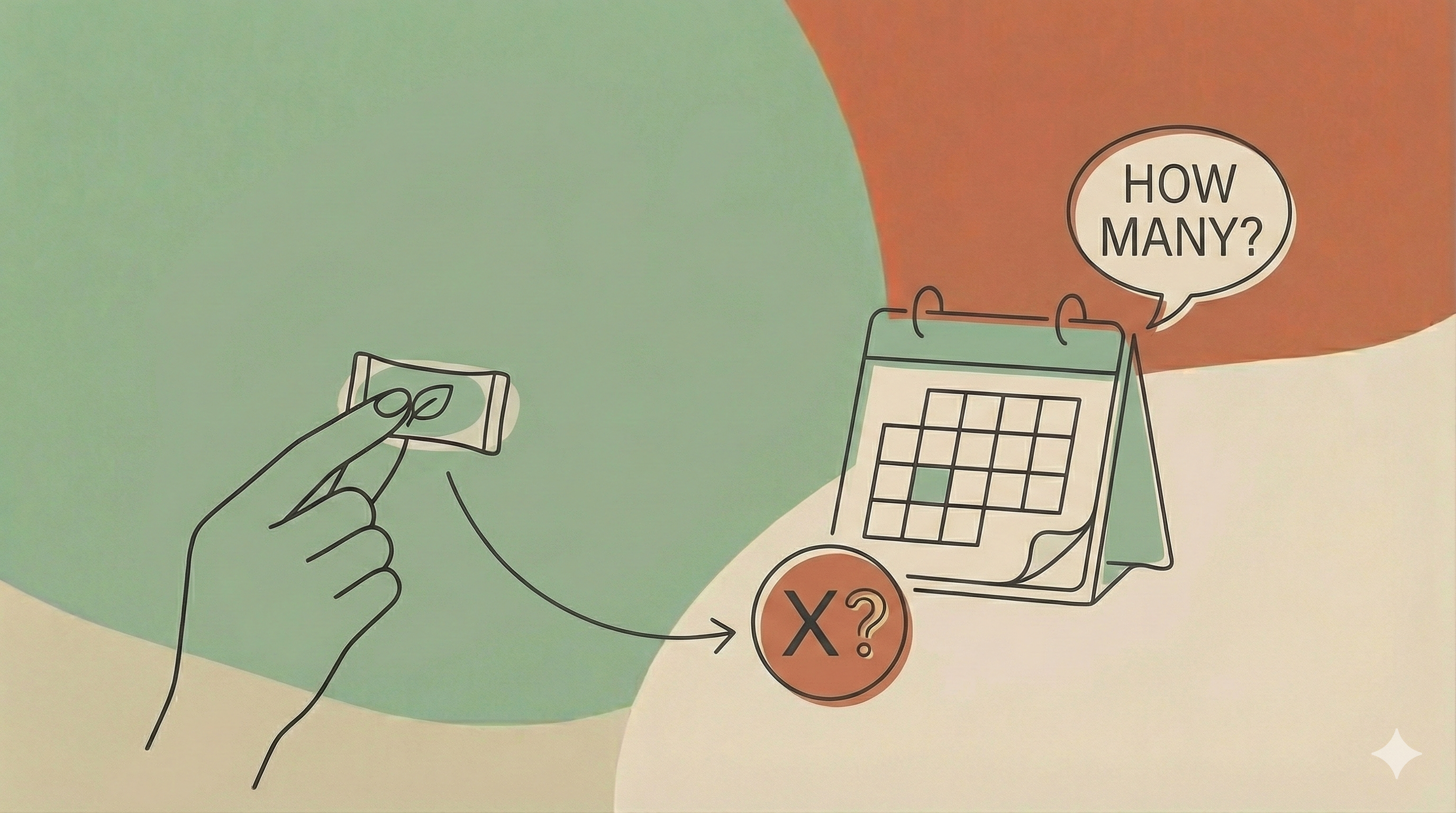
People ask "how many pouches per day is normal?" because they want a reference point. The problem is that a number without context can mislead you.
Your "daily number" depends on:
- strength (mg per pouch)
- how long you keep each pouch in
- your tolerance
- whether you use other nicotine products
- your routine and stress triggers
This guide gives realistic ranges, signs you are overdoing it, and practical ways to stay in control.
Adult-only information. Not medical advice. Nicotine is addictive.
First, do not treat ranges as targets
If you see "10 pouches a day" online, that is not a goal. It is just a description of how some people use them.
A better question is:
- Am I satisfied between sessions?
- Am I using more month to month?
- Does it affect sleep or anxiety?
- Do I get side effects?
Typical patterns (examples, not recommendations)
A rough practical breakdown:
- Light use: 3 to 5 pouches/day
Often lower strength and more intentional timing.
- Moderate use: 6 to 10 pouches/day
Common for many regular users, especially in the first months.
- High use: 10 to 15+ pouches/day
This can happen, but it often signals one of two issues:
- strength is too low so you compensate with frequency
- you are using pouches as a stress habit all day
Your strength changes the picture. Ten pouches at 3mg is not the same total nicotine as ten pouches at 10mg.
Why your daily number might climb without you noticing
1) Micro-dosing behavior
With pouches, it is easy to take "just one more" because there is no smoke break ritual. This can turn into frequent, automatic use.
2) Stress and focus
Many people start using pouches for nicotine and end up using them for stress relief or concentration. That shifts the pattern from "needs-based" to "habit-based."
3) Too low strength
If the strength is too low, you might take pouches back-to-back, which increases total intake.
4) Too high strength
Oddly, very high strength can also increase daily use because you feel a strong hit, then crash, then chase the feeling again. Many users stabilize better on moderate levels.
A simple self-check for overuse
You do not need to count perfectly. Watch for signals:
Possible signs you are using too much
- nausea, dizziness, hiccups
- headaches, dry mouth
- jitters or anxiety feeling
- sleep disruption, especially if you use late
- gum irritation that worsens
- you need a pouch immediately after removing one
If several apply, reduce frequency or strength and consider professional advice if symptoms persist.
How to find a "stable" daily routine
Here is a simple way to stabilize without feeling miserable:
1) Set natural timing rules
Examples:
- only after meals
- only during work hours
- no pouches after a certain time in the evening
Boundaries reduce mindless use.
2) Increase gaps gradually
If you use every hour, try every 90 minutes for a week. Small changes stick better than dramatic cuts.
3) Adjust strength by time of day
Some users do:
- medium in the morning and afternoon
- low in the evening
This reduces sleep issues without increasing cravings.
4) Hydration and food matter
Many people "mistake" dehydration or low blood sugar for a craving. Water and a snack can reduce the urge to chain.
5) Avoid stacking nicotine sources
If you vape or smoke sometimes, track those days separately. Mixing sources makes it harder to understand your true routine.
If you are switching from cigarettes
In week one, you may use pouches more frequently than you expect because you are replacing both nicotine and the ritual.
A practical approach:
- keep sessions short
- use at your strongest trigger moments first
- stabilize for 1 to 2 weeks before making big changes
If your goal is to reduce nicotine
Reduce either strength or frequency, not both at the same time.
A realistic plan:
- keep the same number for a week
- then drop strength
- then widen gaps
Slow changes are easier to maintain.
When to stop and seek help
Stop use and seek help if you have severe symptoms (chest pain, breathing difficulty, fainting, confusion) or persistent mouth issues.
Frequently Asked Questions
Is it bad if I use 10 pouches a day?
It depends on strength, timing, and side effects. If you feel fine and stable, it may be your current routine. If you are escalating or having symptoms, adjust.
How many is too many?
If you are chaining constantly, losing control, or getting symptoms, it is too much for you.
Can I reduce without cravings?
Yes, by widening gaps slowly and using lower strength in the evening.
Should beginners count pouches?
Counting for one week is helpful. It shows patterns you do not notice.
Adult-only information. This is not medical advice. If you feel unwell or have health concerns, consult a qualified professional.